Us Of Intervizion – Securing the Modern Distributed Workforce in a Borderless Digital World. The shift toward permanent remote operations has fundamentally redefined the security perimeter for global organizations in 2026. Traditional office-based defenses no longer provide adequate protection for employees accessing sensitive data from various international locations today.
Modern firms must implement top cybersecurity solutions for remote enterprises to thrive in this era. Securing a distributed workforce requires a multi-layered approach that combines advanced technology with a strong security culture. Hackers now target the “human element” every day.
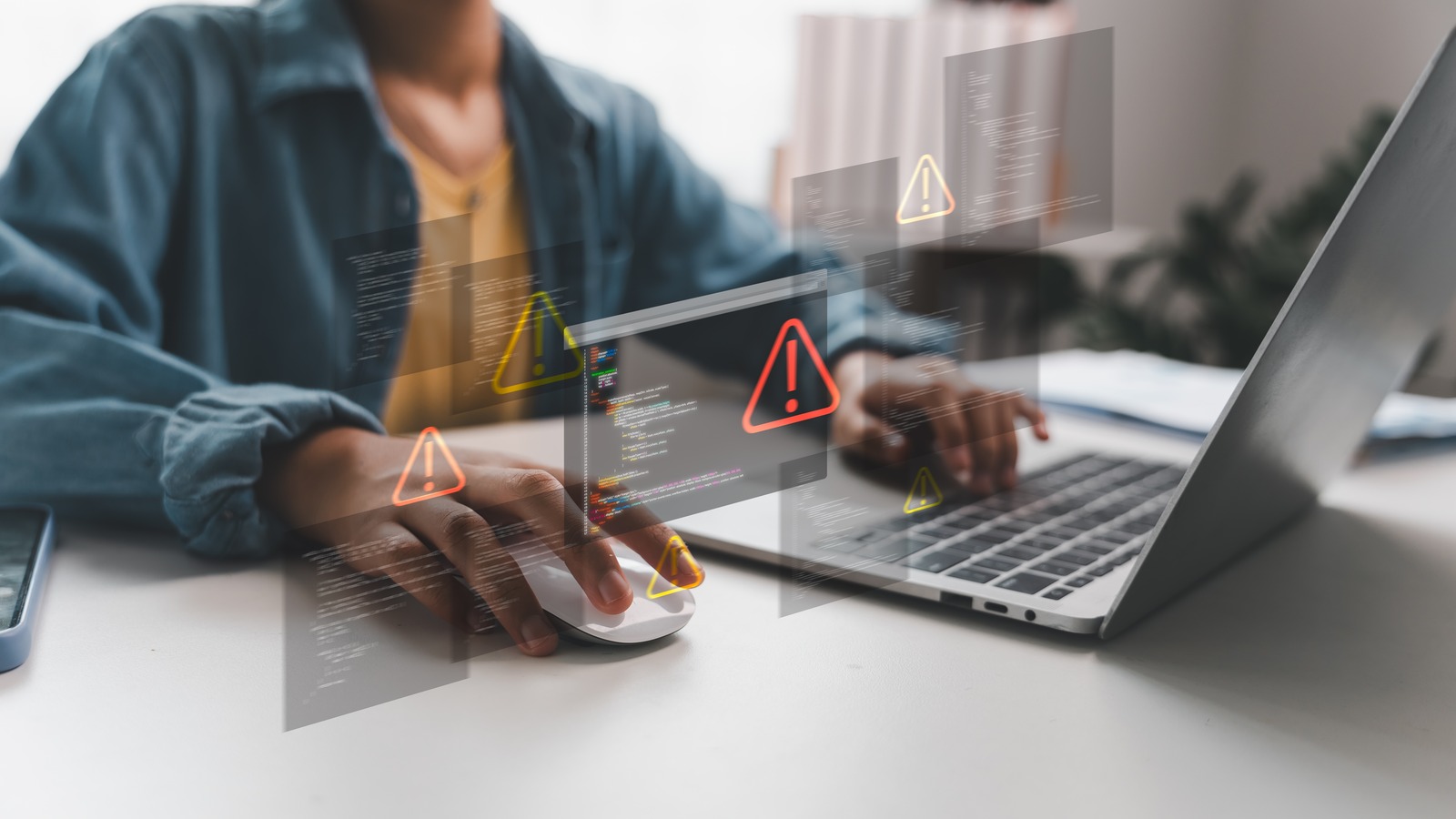
Insecure home networks allow criminals to gain access to lucrative corporate secrets very easily. This US and UK edition explores the essential tools every remote-first company needs right now. Implementing these high-level solutions prevents catastrophic data breaches for your brand.
Zero Trust Network Access (ZTNA) Frameworks
The “trust but verify” model has become completely obsolete in the face of sophisticated 2026 digital threats. Zero Trust Network Access (ZTNA) operates on the principle that no user or device is trusted by default, regardless of their physical location or their past history.
Every access request undergoes strict authentication and continuous authorization protocols before granting entry. ZTNA solutions provide “least-privileged” access, ensuring that employees can only reach the specific applications required for their roles. This helps stop hacker movement.
This micro-segmentation prevents lateral movement by hackers if they manage to compromise a single remote device or account. Leading providers like Zscaler and Okta dominate this space. By removing the reliance on traditional VPNs, ZTNA improves the user experience today.
Secure Access Service Edge (SASE) Architecture
As applications move to the cloud, routing traffic through a central data center creates significant latency and security gaps. Secure Access Service Edge (SASE) converges networking and security into a single, cloud-delivered service for the global workforce in the US and UK.
This architecture brings protection closer to the user, regardless of their physical location. SASE combines ZTNA with Cloud Access Security Brokers (CASB) and Secure Web Gateways to provide a unified defense. This integration allows IT teams to manage security policies easily.
Implementing SASE reduces the complexity of managing multiple point products that often fail to communicate with each other. It provides consistent security for web traffic, cloud applications, and private data centers simultaneously. A well-deployed SASE model ensures fast speed.
AI-Driven Endpoint Detection and Response (EDR)
In 2026, every remote laptop and mobile device represents a potential gateway for malicious actors to enter. Endpoint Detection and Response (EDR) platforms use artificial intelligence to monitor every device for suspicious behavior in real-time. These systems are very powerful.
They can automatically isolate a compromised device before an infection spreads to the network. Unlike traditional antivirus software, EDR focuses on “threat hunting” and detecting advanced persistent threats that use zero-day vulnerabilities. CrowdStrike is a leading provider.
The visibility provided by EDR is essential for IT managers who cannot physically inspect remote hardware. These tools provide a detailed forensic trail of every action taken on a device during a security incident. Protecting your endpoints is the first line of defense for you.
Multi-Factor Authentication (MFA) and Biometrics
Standard passwords no longer provide enough security to protect high-value corporate accounts in the current digital climate. Multi-Factor Authentication (MFA) is a non-negotiable requirement for every remote enterprise operating in the US and UK. Modern MFA is very strong.
Phishing-resistant MFA, including hardware security keys like YubiKey, provides the highest level of protection against credential theft. Hackers can easily bypass old-fashioned SMS codes, but they struggle with physical tokens and cryptographic hardware in the year 2026.
Integrating MFA across all applications, including legacy systems and cloud tools, creates a formidable barrier for intruders. It is the most cost-effective way to reduce the risk of unauthorized access due to stolen or weak passwords. Continuous checks ensure safety always.
Managed Detection and Response (MDR) Services
Many remote enterprises lack the internal resources to maintain a 24/7 security operations center (SOC) for their teams. Managed Detection and Response (MDR) providers offer outsourced security expertise to monitor your network around the clock. This is very popular in London.
MDR teams use advanced SIEM tools to aggregate and analyze data from your entire stack. When a threat is detected, these professional “hunters” respond immediately to mitigate the risk and protect your data. This provides high-level security without the overhead of hiring.
The human element of MDR distinguishes it from purely automated tools that may generate too many false positives. Experts can distinguish between legitimate administrative activity and a sophisticated hacker trying to blend in. Partnering with an MDR provider gives you a shield.
Data Loss Prevention (DLP) for Cloud Environments
Remote work increases the risk of accidental data leaks when employees use unsanctioned cloud storage or messaging apps. Data Loss Prevention (DLP) solutions monitor the movement of sensitive information across your entire digital ecosystem. These tools can block bad transfers.
DLP software identifies sensitive data using “fingerprinting” and optical character recognition to prevent leaks in images. It enforces corporate policies regardless of whether the employee is on a home network or a public coffee shop. This is vital for compliance with GDPR.
By providing visibility into how data is used, DLP helps leadership identify potential “insider threats” or training gaps. It ensures that your most valuable intellectual property stays exactly where it belongs. Comprehensive data protection is a core component for your success.
Cybersecurity Awareness Training for Remote Teams
Technology alone cannot protect an organization if the employees are not trained to recognize modern digital scams. Cybersecurity awareness training programs educate your remote staff on the dangers of social engineering and “deepfake” audio. Regular simulations help a lot.
Training must be an ongoing process rather than a one-time event to stay relevant in the fast-paced 2026 market. KnowBe4 and Mimecast offer engaging content that keeps security at the forefront of every employee’s mind. A well-informed workforce acts as a human firewall.
Creating a culture where employees feel comfortable reporting suspicious emails is essential for early threat detection. This proactive communication can save your company from a multi-million dollar ransomware attack or a devastating leak. Empower your team to be the defense.
Building a Resilient Remote Future
Choosing the top cybersecurity solutions for remote enterprises is a strategic investment in your company’s long-term viability. By combining ZTNA, SASE, and AI-driven EDR, you create a robust defense that follows your users everywhere. The borderless enterprise is here.
Do not wait for a significant security breach to audit your current remote work infrastructure and policies. The cost of proactive protection is much lower than the price of recovery, legal fines, and lost customer trust. Your digital security is the foundation of your success.
Consult with a cybersecurity specialist to design a custom roadmap that fits your specific industry and workforce needs. Protect your innovation, your people, and your future by adopting a “security-first” mindset. Resilience in the digital age begins with the right tools.