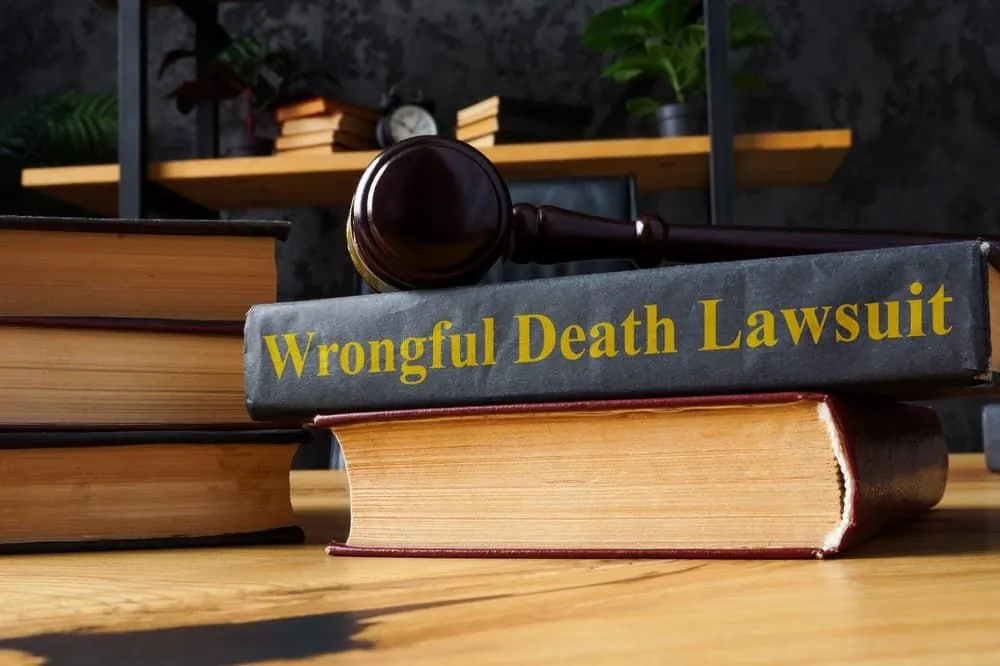
Us Of Intervizion – Losing a family member due to someone else’s negligence brings profound and indescribable grief to any household. The Canadian legal system provides a specific pathway through Wrongful Death Lawsuits to help families seek necessary justice. You must understand your legal rights to ensure your family’s financial future remains secure after such a tragedy.
Every province in Canada maintains different statutes and regulations regarding claims for death caused by another party’s fault. Understanding this legal framework helps you identify exactly who bears responsibility for the loss of your loved one’s life. This article provides an in-depth guide to help Canadian families navigate a legal process that often feels quite intimidating.

Legal Rights and Death Claim Procedures in Canada
Laws across Canada allow immediate family members to file a lawsuit if a death occurs due to a negligent act. Parties entitled to file a claim typically include spouses, children, parents, and in certain specific cases, siblings of the deceased. The primary goal of these lawsuits involves providing compensation for the financial and emotional losses suffered by the survivors.
You must prove that the defendant owed a duty of care to the victim but failed fatally to meet it. This failure must serve as the direct cause of the death that underlies the claim for monetary damages. An experienced lawyer will help you gather strong evidence to show the clear correlation between negligence and the resulting tragedy.
Understanding Time Limits and Statutes of Limitations in Canada
Every region in Canada enforces strict time limits for families to officially begin the necessary legal procedures. Missing these critical deadlines means you permanently lose your legal right to demand any form of financial compensation. It is vital for you to consult with a legal expert immediately to secure the correct filing date for your lawsuit.
Typically, this limitation period ranges between one to two years from the exact date the victim’s death occurred. However, certain specific factors can alter this duration depending on the location and the type of incident experienced. Taking swift legal action helps you maintain the integrity of physical evidence and the testimony of key eyewitnesses.
Filing a Wrongful Death Claim in Canada
The claim filing process begins with the appointment of a legal representative who understands the court administration procedures. This representative will collect all essential documents such as death certificates, police reports, and complete medical records. This initial stage determines how strong your bargaining position remains when facing insurance companies or the defending parties.
After completing the documentation, your lawyer will formulate a written claim detailing the specific negligence of the opposing party. The defendant then has a limited amount of time to provide an official response to the claims you have filed. Ensure every communication step occurs through formal legal channels to avoid procedural errors that could harm your entire claim.
Calculating Compensation for Fatal Accident Claims
Calculating the value of damages in death cases requires deep analysis from various economic and financial experts. Compensation includes the loss of future income that the victim would have provided to the surviving family members. You also have the right to demand reimbursement for funeral costs, final medical expenses, and loss of parental guidance.
The Canadian legal system distinguishes between calculable material losses and non-material losses for the emotional pain of loss. While money cannot replace a life, this compensation helps families stabilize an economic condition that was suddenly shaken. Your lawyer will ensure that every relevant aspect of loss enters into the final calculation of the damage claim.
Proving Liability in Canadian Wrongful Death Cases
Proving legal liability requires a deep investigation into every aspect of the accident or medical malpractice that occurred. You may need assistance from private investigators or accident reconstruction experts to strengthen the basis of your legal argument. Physical evidence such as CCTV footage, vehicle data, and written communications often become the keys to victory in court.
Defendants often attempt to shift part of the blame onto the victim to reduce their financial payment obligations. The concept of Contributory Negligence can affect the final result if the court finds shared fault from the victim’s side. A smart legal strategy will mitigate this risk by presenting undeniable evidence before the presiding judge.
Differences Between Provinces in Canadian Liability Law
Variations in rules between Ontario, British Columbia, and Quebec provide unique dynamics in handling death legal cases. For example, statutes in Ontario provide very specific details regarding who exactly may receive family compensation. Meanwhile, the legal system in Quebec follows a civil code that differs fundamentally from other Canadian provinces.
Understanding these jurisdictional differences is crucial if an incident occurs while the victim is outside their home province. Your lawyer must possess a valid license and a deep understanding of the local rules at the scene of the incident. Errors in understanding provincial regulations can lead to a court’s rejection of the claim due to technical administrative reasons.
Common Causes of Wrongful Death in Canada
Traffic accidents represent the leading cause of death lawsuits filed by many families across all of Canada. Medical malpractice, workplace accidents, and the use of defective products also contribute to a high number of cases. Each type of death cause requires a unique legal approach and a technically different strategy for proving fault.
Construction accidents often involve multiple parties such as contractors, sub-contractors, and large property owners. In contrast, medical malpractice cases require you to face hospitals and medical unions that possess very strong defenses. Identifying the primary cause accurately helps you target the party most responsible both financially and legally.
The Role of Insurance in Settling Death Cases
Almost the vast majority of damage settlement cases in Canada involve large insurance companies from the defendant’s side. Insurance companies often offer out-of-court settlements to avoid the much more expensive costs of a full trial. However, their initial offers usually fall far below the fair value that the family should actually receive.
You must not agree to any offer without performing a deep evaluation with a specialized legal professional. Tough negotiations are often necessary to force the insurance company to provide a truly fair compensation value for the future. If the insurance provider refuses to give a reasonable offer, then a full trial becomes the final step to demand justice.
The Importance of Emotional Support During Legal Processes
Undergoing a litigation process in the midst of a grieving period represents a very heavy mental burden for every family member. Legal processes can take years before reaching a final decision that satisfies all the involved parties. It is highly recommended for families to seek support from counselors or support groups during this difficult time.
A good law firm will provide empathy and clear communication so you do not feel alone facing the system. They will handle all administrative complexities so you can focus on the emotional healing process and family recovery. Justice is indeed important, but your mental health and that of your other family members remains the top priority.
Filing Wrongful Death Lawsuits in Canada requires immense courage and extraordinary persistence from the survivors. However, this legal step is the most effective way to ensure that negligent parties do not repeat similar acts in the future. Protect your family’s legacy and future by fighting for the justice that has become your rightful legal due.