Us Of Intervizion – Modern enterprises face unprecedented disruptions from geopolitical tensions, climate change, and volatile market demands in 2026. Navigating these complex challenges requires a robust digital backbone that provides total visibility across the entire value chain. Supply Chain Management Software serves as the ultimate shield for businesses aiming to survive and thrive in this chaotic era.
Traditional logistics methods no longer provide the speed or accuracy necessary to compete on a global scale. Sophisticated digital platforms now integrate artificial intelligence and real-time data to predict and neutralize potential bottlenecks. This guide explores how cutting-edge software transforms vulnerable supply lines into resilient, high-performance engines of corporate growth.

Best Supply Chain Tools for Predictive Risk Analysis
Predictive analytics represent the most significant advancement in modern Supply Chain Management Software today. These tools analyze historical data and current global events to forecast potential shortages before they occur. Managers utilize these insights to adjust procurement strategies and secure vital raw materials ahead of their competitors.
AI-driven platforms like SAP IBP and Oracle SCM Cloud simulate thousands of “what-if” scenarios to test network resilience. They identify hidden vulnerabilities in your supplier tiers and suggest alternative sourcing options instantly. Investing in predictive tools ensures your company maintains a continuous flow of products even during major global crises.
Global Logistics Risk Mitigation Through Real-Time Visibility
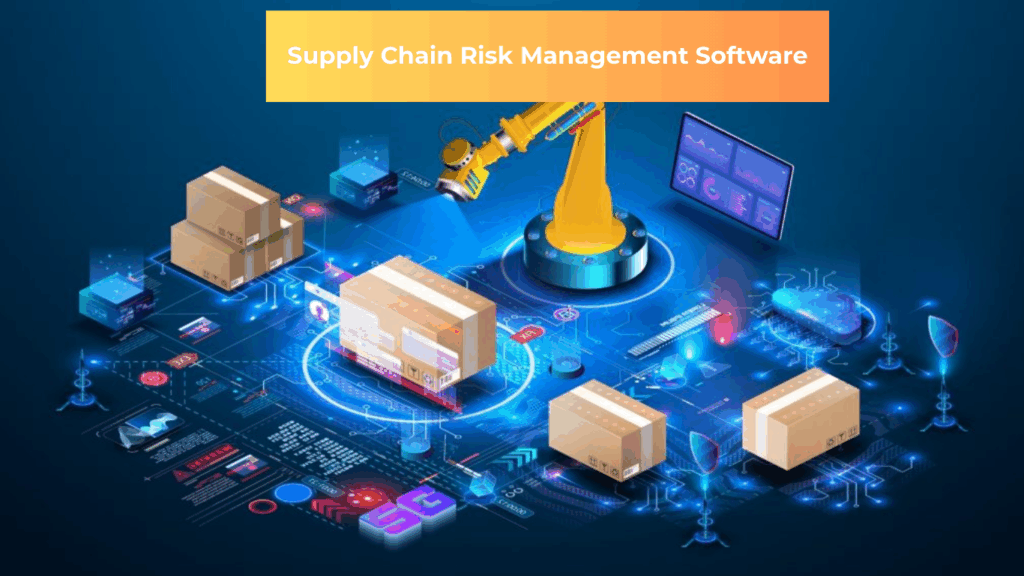
Real-time visibility allows logistics managers to track every shipment across oceans and continents with surgical precision. IoT sensors and satellite tracking provide constant updates on the location and condition of high-value cargo. Supply Chain Management Software consolidates this data into a single, unified dashboard for immediate decision-making.
Total transparency eliminates the “black holes” in your distribution network where delays often go unnoticed for days. You can proactively reroute shipments to avoid port strikes, extreme weather events, or sudden border closures. Mitigating risks effectively requires a “control tower” approach that only the most advanced software can provide.
AI in Supply Chain: Automating Complex Decision Processes
Artificial Intelligence automates the most tedious aspects of inventory management and demand forecasting with 99% accuracy. Machine learning algorithms identify patterns in consumer behavior that human analysts might overlook during a market shift. Supply Chain Management Software utilizes these algorithms to optimize stock levels and reduce expensive overstocking.
Automated procurement systems send purchase orders the moment inventory drops below a specific, AI-calculated threshold. This automation reduces human error and ensures that your production lines never stop due to missing components. Implementing AI within your logistics framework significantly lowers operational costs while increasing total customer satisfaction.
Real-Time Inventory Software for Dynamic Market Demands
Dynamic markets require an inventory system that updates across all sales channels in a matter of milliseconds. Modern software prevents “out-of-stock” scenarios by balancing inventory levels between physical warehouses and digital storefronts. Cloud-based systems like NetSuite and Microsoft Dynamics 365 provide a single source of truth for your entire organization.
Accurate inventory data prevents the loss of sales and protects your brand’s reputation for reliability in the marketplace. Warehouse managers use mobile apps and wearable tech to update stock counts directly through the central software. Supply Chain Management Software ensures that your capital stays productive rather than gathering dust on a shelf.
Resilient Supply Chain Strategies for a Volatile Global Economy
Building a resilient supply chain involves diversifying your supplier base across multiple geographical regions and political zones. Software tools help you manage these complex, multi-national relationships by centralizing all contract and compliance data. You can monitor the financial health and ethical standards of your partners through automated risk-scoring modules.
Resilience also requires a shift from “Just-in-Time” to “Just-in-Case” inventory models for critical mission-critical components. Supply Chain Management Software calculates the optimal safety stock levels to balance cost against the risk of disruption. A resilient strategy protects your profit margins during economic downturns and enhances your long-term market stability.
The Role of Blockchain in Secure Supply Chain Transactions
Blockchain technology creates an immutable and transparent record of every transaction and movement within your supply chain. This technology prevents fraud and ensures the authenticity of high-end products, from luxury goods to pharmaceuticals. Smart contracts automate payments to suppliers only when the software verifies the successful delivery of goods.
Enhanced traceability allows companies to prove the ethical origin of their materials to conscious consumers and regulators. Blockchain eliminates the need for manual paperwork and reduces the time required for customs clearances and audits. Secure data sharing via blockchain builds trust between partners and streamlines the entire global trade process.
Optimizing Last-Mile Delivery with Advanced Algorithms
The “last mile” represents the most expensive and complex part of the entire global distribution process in 2026. Advanced routing algorithms calculate the most efficient paths for delivery vehicles, considering traffic, weather, and fuel costs. Supply Chain Management Software integrates with autonomous drones and robotic delivery systems to lower these final costs.
Real-time communication tools keep customers informed of their delivery status through automated SMS and app notifications. Reducing delivery times significantly increases customer loyalty and gives your brand a major competitive advantage. Precision in the last mile ensures that your logistics strategy ends with a positive and memorable customer experience.
Sustainable Supply Chain Management and ESG Compliance
Environmental, Social, and Governance (ESG) criteria now dictate how global corporations manage their logistics networks. Modern software tracks the carbon footprint of every shipment and identifies opportunities for greener transport methods. You can optimize route planning to minimize fuel consumption and reduce your company’s total environmental impact.
Automated compliance modules ensure that your suppliers follow international labor laws and environmental regulations. Reporting tools generate detailed ESG statements for investors and government agencies with a single click. Sustainability is no longer an option; it is a core component of a modern, high-ROI Supply Chain Management Software strategy.
Collaborative Planning with Suppliers via Cloud Platforms
Cloud-based platforms allow you to share real-time demand forecasts directly with your most important global suppliers. This collaboration ensures that your partners can prepare their production capacity to meet your future needs. Shared digital workspaces eliminate the “bullwhip effect” where small changes in demand cause massive supply shocks.
Mutual transparency allows for better price negotiations and stronger, long-term strategic partnerships. Supply Chain Management Software facilitates this communication through secure portals and integrated messaging systems. Working together with your suppliers reduces lead times and improves the overall agility of your entire business.
The Impact of 5G and Edge Computing on Warehouse Automation
5G technology provides the lightning-fast connectivity required to operate fleets of autonomous robots in modern warehouses. Edge computing processes data locally at the warehouse site, reducing latency and increasing the speed of automated sorting. These technologies allow for 24/7 operations with minimal human intervention, significantly boosting your total output.
Digital twins of your physical warehouses allow you to test new layouts and processes in a virtual environment first. This data-driven approach eliminates the risk of expensive mistakes during physical warehouse expansions. Supply Chain Management Software leverages these hardware advancements to create the “dark warehouses” of the future.
Mastering Supply Chain Management Software is the only way to mitigate the massive global risks of 2026. By integrating AI, blockchain, and real-time tracking, you transform your logistics from a cost center into a strategic weapon. Invest in a resilient digital infrastructure today to ensure your company survives the challenges of tomorrow and continues to grow.