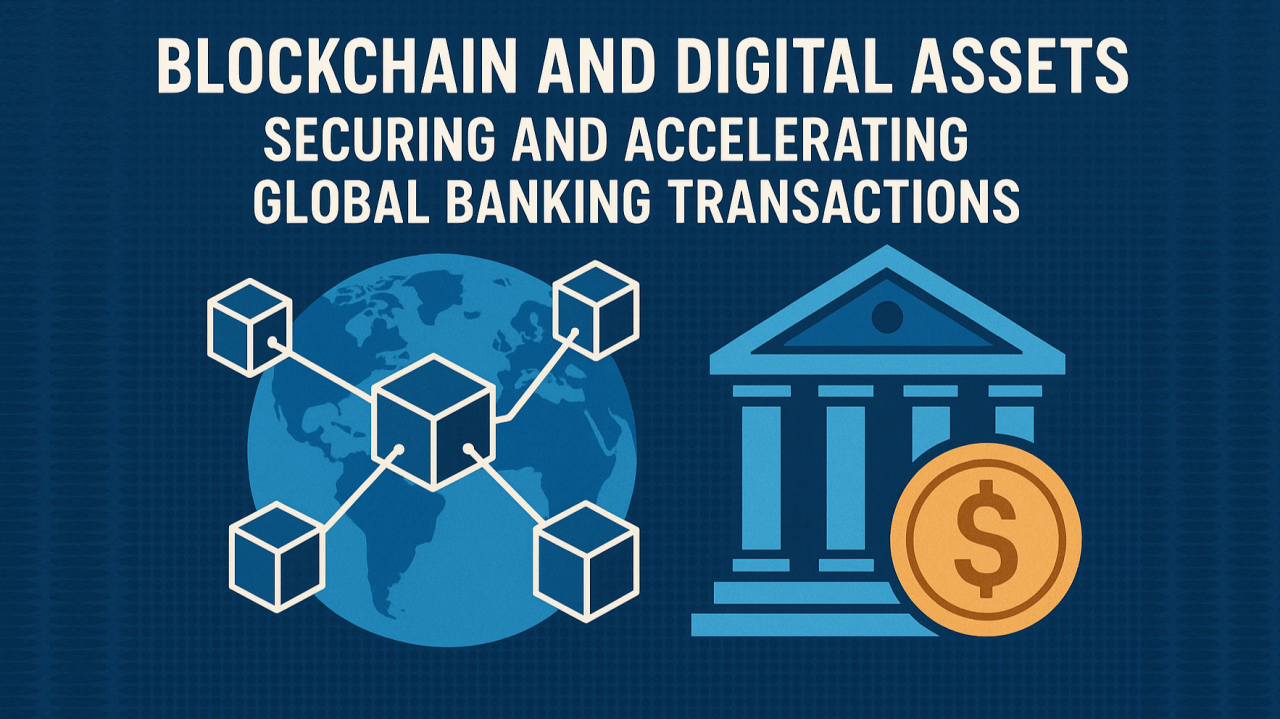
Us Of Intervizion – The rapid evolution of financial technology creates unprecedented opportunities for investors to grow their wealth through digital platforms. However, this digital expansion also exposes sensitive financial data to sophisticated hackers and international cybercrime syndicates. FinTech Security: Protecting Your Digital Assets with Blockchain Solutions offers the ultimate defense mechanism for the modern era.
Traditional banking systems rely on centralized databases that represent a single point of failure for malicious actors. Blockchain technology decentralizes this risk by distributing transaction records across a global network of secure nodes. This guide reveals how you can leverage decentralized innovation to build an impenetrable fortress around your digital capital.

Blockchain for Financial Security and Fraud Prevention
Blockchain technology utilizes advanced cryptography to ensure that every transaction remains permanent and completely transparent to authorized parties. The immutable nature of the ledger prevents hackers from altering transaction history or creating fraudulent digital records. Financial institutions now use these protocols to verify identities and prevent money laundering activities in real-time.
Smart contracts automate the verification process, eliminating the human errors that often lead to security breaches. These self-executing codes ensure that funds move only when both parties meet the specific, pre-defined legal conditions. FinTech Security: Protecting Your Digital Assets with Blockchain Solutions fundamentally changes how we trust digital financial systems.
Protecting Digital Assets with Advanced Hardware Wallets
Securing your private keys represents the most critical step in defending your digital wealth from remote online attacks. Hardware wallets keep your sensitive access codes offline, far away from the reach of internet-based malware and phishing. These physical devices require manual confirmation for every transaction, adding a vital layer of human oversight to your security.
Investors should choose wallets that support multi-signature technology to require approval from multiple trusted devices. This strategy ensures that even if a thief steals one device, they still cannot access your total funds. The combination of physical hardware and blockchain transparency creates a robust safety net for long-term digital asset holding.
FinTech Cybersecurity Trends 2026: The Rise of AI Defense
In 2026, Artificial Intelligence (AI) actively monitors blockchain networks to detect and neutralize suspicious patterns before they cause damage. AI algorithms analyze millions of transactions per second to identify potential “rug pulls” or sophisticated social engineering scams. These proactive defense systems learn from every attack attempt, becoming stronger and more efficient over time.
Cybersecurity firms now offer real-time monitoring services that alert you the moment a threat targets your digital footprint. This synergy between AI and blockchain creates a dynamic environment where security evolves as fast as the threats themselves. Staying ahead of these trends allows you to navigate the FinTech world with absolute confidence and strategic clarity.
Decentralized Finance Safety and Smart Contract Audits
Decentralized Finance (DeFi) platforms allow users to earn interest and trade assets without the need for traditional banking intermediaries. However, the safety of these platforms depends entirely on the integrity of the underlying smart contract code. Professional auditing firms perform rigorous stress tests to find vulnerabilities that malicious actors might exploit for profit.
You should only invest in platforms that publish their full audit reports from reputable third-party security companies. Open-source code allows the global developer community to identify and fix bugs through “bug bounty” programs. Prioritizing audited platforms minimizes the risk of losing your capital to unforeseen technical flaws or internal exploits.
Secure Crypto Asset Management for Institutional Investors
Institutional investors demand the highest levels of custody and regulatory compliance when managing large-scale digital portfolios. Modern custodians use “Cold Storage” techniques where they keep 99% of assets in deep, disconnected vaults. These institutions also carry massive insurance policies to protect their clients against potential physical theft or technical failures.
Regulatory frameworks now require asset managers to provide regular “Proof of Reserves” via blockchain snapshots. This transparency ensures that the institution actually holds the assets they claim to manage for their investors. FinTech Security: Protecting Your Digital Assets with Blockchain Solutions bridges the gap between traditional finance and the digital future.
Multi-Factor Authentication (MFA) in Decentralized Platforms
Standard passwords no longer provide sufficient protection against the brute-force attacks prevalent in the current digital landscape. Decentralized platforms now integrate biometric data and physical security keys as part of their authentication process. Using a dedicated authenticator app is significantly safer than relying on vulnerable SMS-based verification codes.
Investors must enable MFA on every exchange account and digital wallet they use for their financial activities. This simple step blocks over 99% of automated hacking attempts that target individual users across the web. Educating yourself on these basic security hygiene practices protects your wealth from common and avoidable digital mistakes.
The Impact of Quantum Computing on Blockchain Encryption
Quantum computing poses a theoretical threat to current encryption standards by offering the power to crack traditional codes. However, developers are already building “Quantum-Resistant” blockchains that use new mathematical puzzles to secure data. The transition to these advanced protocols ensures that blockchain remains relevant even as computing power increases exponentially.
Early adoption of quantum-proof wallets will become a standard practice for high-net-worth digital investors in the coming years. Industry leaders continuously upgrade the core infrastructure of major networks to withstand future technological shifts. Security in the blockchain space is a continuous race that requires constant vigilance and technological adaptation.
Preventing Phishing and Social Engineering in FinTech
Social engineering remains the most common method for stealing digital assets because it targets human psychology rather than code. Scammers often create perfect replicas of famous exchange websites to trick you into entering your private credentials. Always verify the URL and the SSL certificate of any financial platform before you provide your sensitive information.
Never share your “Seed Phrase” or private keys with anyone, including people claiming to be customer support agents. Legitimate companies will never ask for these codes because they do not need them to assist you with your account. A healthy level of skepticism serves as your most powerful tool in identifying and avoiding sophisticated online scams.
Legal Protections and Insurance for Digital Asset Owners
The legal landscape for digital assets is maturing, with many countries offering specific protections for blockchain investors. You should hold your assets through legal entities that provide clear ownership rights under your local jurisdiction. Many specialized insurance companies now offer policies that cover the loss of private keys or exchange-level hacks.
Consulting with a legal expert who understands international FinTech laws ensures that your estate planning includes your digital wealth. Digital assets require a specific “transfer of access” plan so your heirs can inherit your wealth without technical barriers. FinTech Security: Protecting Your Digital Assets with Blockchain Solutions includes both technical excellence and sound legal planning.
Biometric Security Integration in Mobile Wallets
Mobile devices now act as the primary interface for most people to manage their blockchain-based financial transactions. Using FaceID or fingerprint sensors adds a layer of convenience without compromising the security of your digital signatures. These biometric triggers ensure that only you can authorize the movement of funds from your personal smartphone.
Always ensure your mobile operating system is updated to the latest version to receive critical security patches. Avoid using public Wi-Fi networks when accessing your financial apps to prevent “Man-in-the-Middle” data interception. Your smartphone can become a secure banking terminal when you combine it with the power of blockchain encryption.
Embracing FinTech Security: Protecting Your Digital Assets with Blockchain Solutions is essential for anyone serious about their financial future. By utilizing decentralized ledgers, hardware wallets, and AI-driven defense, you eliminate the vulnerabilities of the old financial world. Secure your digital legacy today by adopting the elite technological standards that only blockchain can provide in 2026.